Hard Water · 8 min read
Hard Water and Scale: What It Really Costs Your Home
By Jason Preston, Founder · June 2026
Hard water carries dissolved minerals that leave scale on pipes, fixtures, and appliances. Over time that buildup makes water heaters and dishwashers work harder, fail sooner, and run less efficiently — costs that show up on your energy bill and in repair calls long before anything breaks dramatically. A whole-house salt-free system with scale-control CT resin addresses the root cause at the point of entry, without the brine tank and ongoing salt expense of a traditional softener.
Hard water is the most common thing I encounter when I look at a homeowner's water situation — and the most underestimated. People notice the white crust on the faucet and chalk it up to a cleaning problem. By the time I'm talking through options with them, their water heater is already working harder than it should, their soap budget has crept up quietly, and they've replaced an appliance or two without ever connecting those costs to their water. Getting a hardness number is always my first recommendation.
If you have ever wiped a chalky white film off a faucet, fought to rinse shampoo out of your hair, or watched your dishes come out of the dishwasher spotty no matter what you do, you have already met hard water. It is one of the most common water issues in American homes, and one of the easiest to ignore, because it rarely announces itself with a single dramatic moment. Instead, it works slowly, adding a little cost here and a little wear there until the bill adds up.
What "Hard Water" Actually Means
Hard water simply means water with a higher concentration of dissolved minerals — mostly calcium and magnesium — picked up as water moves through rock and soil on its way to your tap. It is not unsafe to drink, and in many regions it is completely normal. The "hardness" is a measure of how much of that mineral content the water carries.
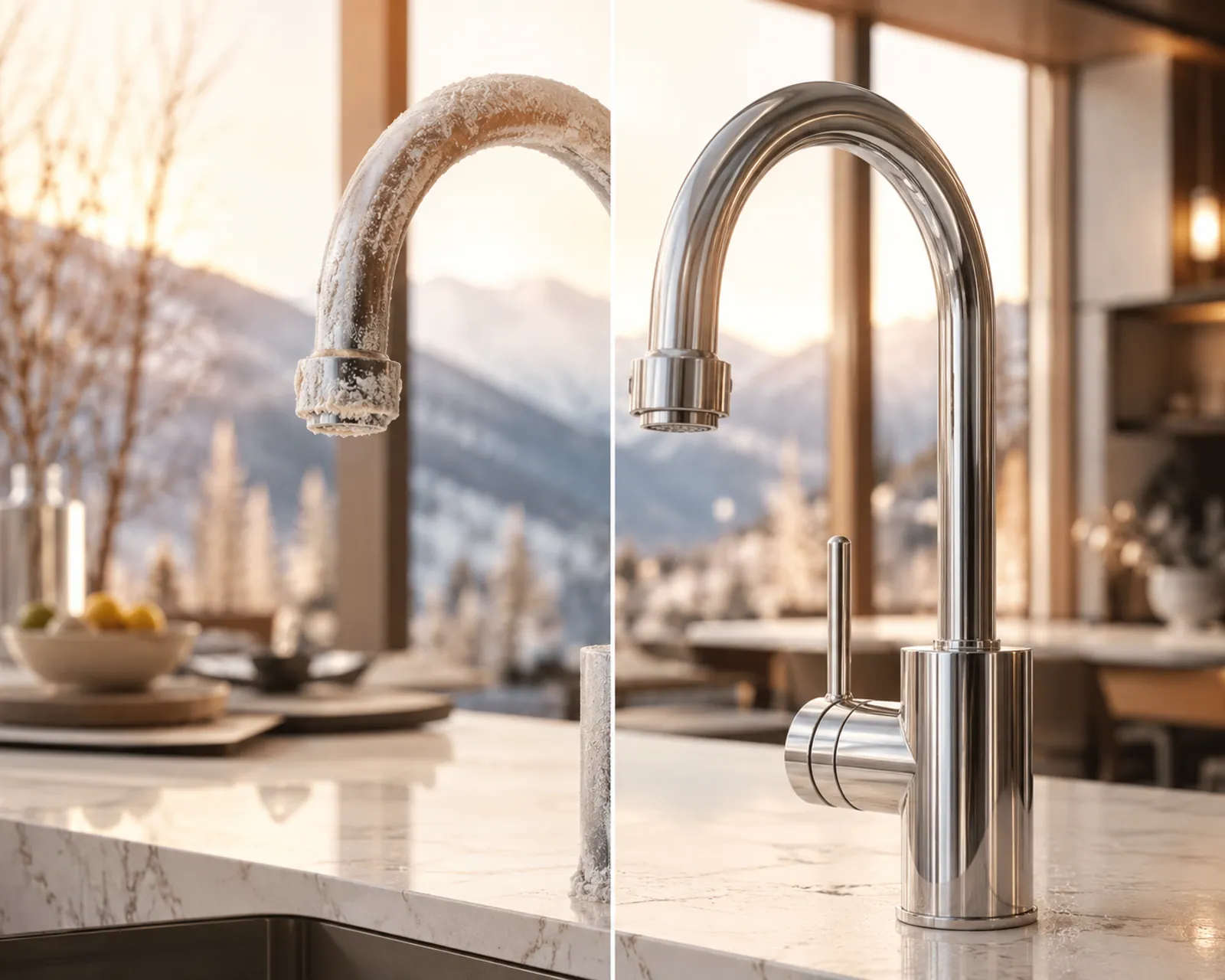
The trouble is not the minerals while they are dissolved. It is what happens when water heats up or evaporates. As that happens, the minerals fall out of solution and harden into a crusty deposit called scale, or limescale. You see the cosmetic version on your showerhead and faucets. The expensive version is the scale you never see, building up inside your pipes, your water heater tank, and the heating elements of your appliances.
I always remind people: it is the same minerals. The question is whether they stay suspended harmlessly in the water or settle out somewhere they cause damage. Everything in hard-water treatment comes back to that.
Where the Costs Hide
Most people think of hard water as a nuisance — spotty glasses, a filmy shower door. The real expense is mechanical, and it tends to land in three places.
Your Water Heater
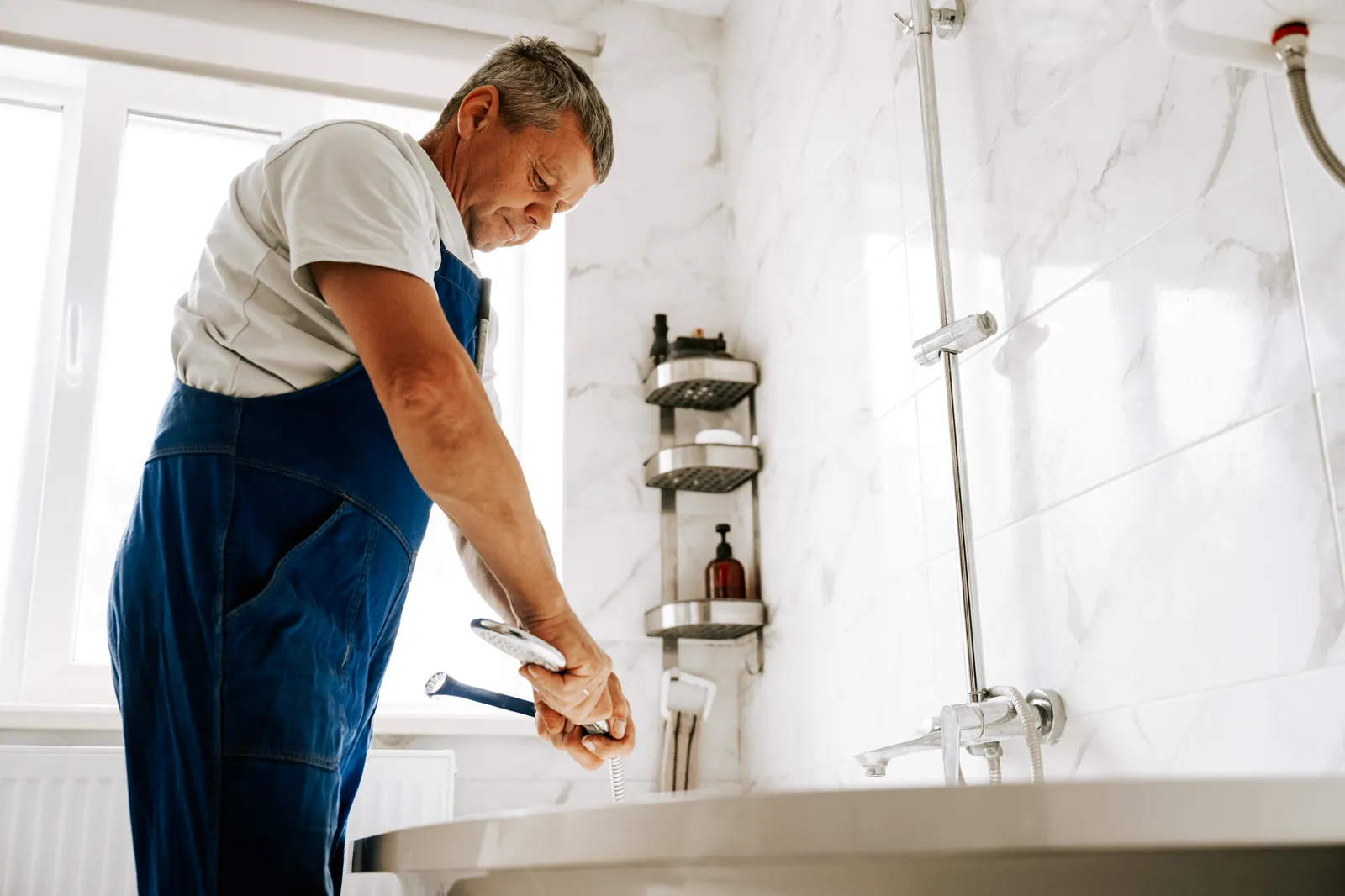
This is usually the first and biggest victim. Scale settles at the bottom of a tank water heater and coats the heating element. Because that layer of mineral acts like insulation, the heater has to run longer and burn more energy to push heat through it and warm the water. Research commissioned by the Water Quality Research Foundation found measurable energy efficiency losses in water heaters as scale accumulates — even moderate scale can affect operating costs over time.[1] That constant overwork also shortens the appliance's life. When I look at a water heater in a hard-water home that has never been treated, I am rarely surprised to find it running past its rated efficiency.
Your Other Appliances
Anything that heats or moves water is exposed. Dishwashers, washing machines, coffee makers, and tankless heaters all accumulate scale on internal components. The result is the same pattern: reduced efficiency, more frequent repairs, and a shorter working life. The question I get asked most is whether scale damage is already done by the time someone calls me. Usually there is some — but stopping it from accumulating further is still worth doing.
Your Plumbing
Scale narrows pipes the way cholesterol narrows arteries. Over time, the usable diameter shrinks, water pressure drops, and the system has to work harder. In severe cases, longstanding buildup contributes to clogs and leaks that turn into significant repair bills.
The Costs You Feel Every Day
- More soap, less clean. Hard water minerals react with soap to form a sticky residue, so you tend to use more shampoo, dish soap, and detergent to get the same result. Honestly, in my experience this is the line item that surprises people most when they think back on it.
- Skin and hair that never feel quite rinsed. The "never quite rinsed" feeling is a common and well-documented complaint in hard-water homes, along with skin that feels tight or dry after a shower. A shower filter can help with chlorine, but hardness requires a different approach at the whole-house level — see our shower filter guide for what each approach actually addresses.
- Laundry that wears out faster. Mineral residue lodges in fabric, leaving clothes stiff, dingy, and faded — while you use more detergent trying to compensate.
- Endless cleaning. The spotty glasses, the cloudy shower door, the crust around the faucet base — these are scale redepositing every time the water dries. It never stays done.
How to Tell If Hard Water Is Costing You
Watch for a few telltale patterns:
- White, chalky buildup on faucets, showerheads, and kettles
- Soap and shampoo that will not lather the way you expect
- Spots or film on glasses and dishes straight out of the dishwasher
- Stiff, scratchy laundry and graying whites
- A water heater that seems to run more, or hot water that runs out faster
A simple hardness test gives you a clear number — the starting point for choosing a system actually matched to your water. See our guide to reading a filter spec sheet for what to look for when comparing conditioners and softeners.
What You Can Do About It
A properly sized water conditioning or softening system addresses the root cause by managing the minerals before they ever reach your pipes and appliances. Instead of paying for scale in a dozen small ways, you protect the home's plumbing, extend the life of the appliances you have already bought, and get back the everyday comfort — softer skin, cleaner laundry, spotless glasses — that hard water quietly takes. See whole-home vs. under-sink for how scale control fits into a complete water treatment plan.
For whole-house hard water treatment, I recommend professional installation. The job involves working with your main water line — typically at the utility room or garage — and getting the sizing and bypass valve right makes a real difference in long-term performance. It is not a plumbing emergency if something is off, but it is worth having someone who has done it before handle it.
Not sure how hard your water is?
Answer a few questions and we'll recommend the system that fits your water and your home.
Take the 60-second quizSalt-Free Conditioning vs. Traditional Softeners
This is the question I get most often once someone decides to do something about their hard water. Both approaches work, but they work differently — and the trade-offs matter.
Traditional Salt Softeners
A salt-based softener uses ion exchange: it swaps calcium and magnesium ions for sodium ions, physically removing the hardness minerals from the water. The result is genuinely soft water — no scale formation at all. The trade-offs are real: you need a brine tank, regular salt purchases (and the hauling that comes with them), a regeneration cycle that wastes several gallons of water each time, and a small but measurable increase in sodium in your treated water. If you are on a low-sodium diet, that last point is worth discussing with your doctor.[2]
Salt-Free Scale Control (What We Use)
The Sentry H2O Whole-House Wellness System uses a different approach: salt-free Scale Control CT Resin as part of its multi-stage tank. The CT Resin alters the crystalline structure of calcium and magnesium so those minerals stay suspended in the water rather than bonding to surfaces. The minerals are still there — they are just no longer able to form hard scale deposits.
I want to be honest about the distinction: this is scale control, not mineral removal. If you want the slippery feel of zero-hardness water that a salt softener produces, a conditioning system will feel different. What you get instead is water that does not build up inside your pipes and appliances, no brine tank, no salt refills, no salty discharge into the municipal system, and no wasted water during regeneration. For most homes dealing with scale damage and appliance wear, that trade is a good one.
The whole-house tank also includes ToxyGuard catalytic-carbon media, which addresses chlorine, chloramines, fluoride, VOCs, and more at every tap in the house — not just the kitchen sink. That is a meaningful difference from addressing scale alone.
Frequently Asked Questions
Is hard water dangerous to drink?
Hard water is generally not considered a health hazard. Its costs are mechanical and cosmetic — what it does to your home and daily routine — rather than a safety concern.
Does a salt-free conditioner actually control scale?
Yes, with an important distinction. Salt-free systems like Sentry H2O's CT Resin don't remove minerals the way a salt softener does; instead they alter the mineral structure so calcium and magnesium stay suspended rather than bonding to surfaces. The result is meaningful scale control without a brine tank, salt refills, or salty discharge. If you want zero-hardness water, a traditional salt softener is the way to get it. If you want scale protection without the maintenance overhead, salt-free conditioning is a solid choice for most homes.
How do I know how hard my water is?
You can get a sense from the signs above — chalky faucets, soap that won't lather — but a simple hardness test gives you a clear number. That number is the starting point for choosing a system actually matched to your water. Our 60-second quiz can help you interpret what you find.
Does hard water really shorten the life of my appliances?
Scale buildup makes water-heating appliances work harder and run less efficiently, which shortens their working life. Research has found measurable efficiency losses in water heaters as scale accumulates.[1] The direction is consistent: untreated hard water is hard on the machines you have already paid for.
Sources
[1] Water Quality Research Foundation / Battelle Memorial Institute — Impacts of Water Quality on Residential Water Heater Performance. Research commissioned by WQRF examining scale buildup and energy efficiency in tank and tankless water heaters. Available via the Water Quality Association (WQA) research library.
[2] U.S. Environmental Protection Agency — Sodium in Drinking Water. EPA notes that ion-exchange water softeners add sodium to treated water; individuals on sodium-restricted diets should consult a physician. epa.gov
Keep reading
Educational guidance only — not health or medical advice.